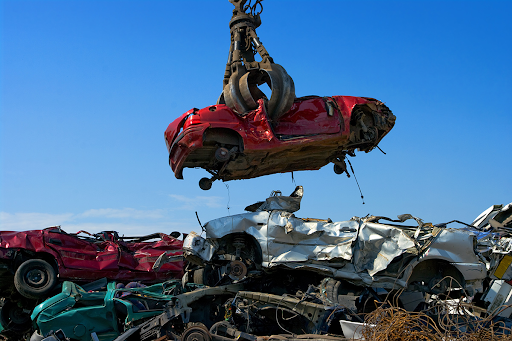
Benin Vehicle Waste is becoming a growing urban concern as abandoned cars, vehicle wrecks, and informal garages create environmental and space-management challenges in Cotonou.
Benin: How Abandoned Vehicles and Scrap Yards Are Creating New Waste Challenges
Old cars do not simply disappear when they stop running. In Benin, abandoned vehicles, damaged body parts and scrap from repair garages can remain in public spaces for long periods, creating challenges for urban management and the environment. The issue has become particularly visible in Cotonou, where the municipality is moving against abandoned vehicles, wrecks and garages occupying public roads.
For the automotive sector, Benin Vehicle Waste is therefore more than a recycling issue. It also involves public-space management, responsible vehicle disposal and preventing fluids and other materials from deteriorating on streets or open ground.
Cotonou Is Taking Action Against Abandoned Vehicles
Cotonou’s municipality announced in September 2026 that it would begin an operational campaign targeting garages occupying public rights-of-way, abandoned vehicles and vehicle wrecks. The intervention follows an April 2026 municipal notice and months of information, awareness campaigns, and dialogue with affected owners and mechanics.
The municipality had also given affected occupants 90 days to take action or comply with the requirements before enforcement moved forward.
This makes Benin Vehicle Waste a current urban issue rather than simply a long-term environmental concern.
Why Abandoned Cars Become Waste Problems
An abandoned vehicle can contain much more than recyclable metal. Engine oil, transmission fluid, brake fluid, coolant, fuel residues, batteries, tyres, plastics and other components may remain inside or around the vehicle.
When wrecks sit outdoors for extended periods, damaged components can deteriorate, and fluids can leak onto surrounding surfaces. Rain can then move contaminants toward drainage systems and other parts of the urban environment.
Removing an abandoned car from a street therefore solves only part of the problem. The vehicle also needs to be stored, dismantled and processed responsibly.
Scrap Yards Can Recover Valuable Materials
Scrap yards and vehicle dismantling operations can play a useful role when properly managed. Steel, aluminium, copper, plastics, tyres and reusable mechanical components can potentially be recovered instead of being left as unmanaged waste.
A more organised system for Benin Vehicle Waste could therefore turn end-of-life vehicles into a source of recyclable materials while reducing the number of abandoned wrecks in urban areas.
However, dismantling vehicles requires careful handling. Batteries, oils, refrigerants, and other potentially hazardous materials should be removed before vehicles are crushed or stripped for scrap.
New Municipal Facilities Could Help
Cotonou is also developing municipal impound facilities. The Beninese Environment Agency has published an environmental and social impact assessment for two planned municipal vehicle yards, including a site for light vehicles at Agbondjèdo and another intended for heavy vehicles at the Abattoir area. The project is included in Cotonou’s 2024–2028 development plan.
Such facilities could provide a more controlled place for vehicles removed from public spaces while authorities determine their next steps.
For Benin Vehicle Waste, the longer-term challenge will be connecting vehicle collection with proper dismantling, recycling, and disposal rather than simply moving abandoned cars from one location to another.
What Drivers and Garages Can Do
Vehicle owners can reduce waste by repairing cars when economically and mechanically practical, selling usable components, and arranging proper removal when a vehicle reaches the end of its useful life.
Garages can also separate recyclable metals and plastics from fluids, batteries and other materials. Used engine oil should never be poured onto soil or into drains, while worn tyres and damaged batteries should be kept in designated storage areas until they can be transferred to appropriate handlers.
Drivers searching for replacement vehicles can also use automotive marketplaces such as AfriCarGroup Auto24 while considering the maintenance history and long-term condition of used cars.
Building a Better End-of-Life Vehicle System
The Cotonou campaign highlights a wider question: what happens to a vehicle after it can no longer serve its owner?
A sustainable approach to Benin Vehicle Waste would combine public-space enforcement with accessible collection points, vehicle dismantling standards, material recovery and responsible treatment of hazardous components. This would give owners a practical alternative to leaving unusable vehicles on roadsides or in informal storage areas.
For the automotive industry, such a system could also create opportunities for parts recovery, metal recycling and specialised vehicle-dismantling businesses.
Conclusion
Abandoned vehicles and scrap from garages can become a growing environmental and urban-management problem when there is no organised end-of-life pathway. Cotonou’s latest action against wrecks, abandoned vehicles and garages occupying public space shows that authorities are addressing the visible side of the problem.
The next step for Benin Vehicle Waste is ensuring that removed vehicles are not simply relocated, but safely stored, dismantled and recycled wherever possible. That approach could keep public spaces clearer while recovering valuable automotive materials and reducing environmental risks.
What do you think Benin should do with abandoned vehicles and old car parts? Share your ideas in the comments.